Guanabana Fruit and Tea Benefits Nutrition Risks and Safe Ways to Use Soursop
Guanabana has a sweet, tropical flavor that tastes a little like pineapple, strawberry, and citrus blended into a creamy pulp. In smoothies and juices, it feels like a treat. In tea, especially when made from the leaves, it has a long history in traditional wellness practices across the Caribbean, Latin America, West Africa, and Southeast Asia.
It also deserves careful handling. Guanabana, also called soursop and known botanically as Annona muricata, contains useful nutrients and plant compounds. Research suggests it has antioxidant and anti-inflammatory potential. At the same time, regular year-round intake, especially of leaf tea or extracts, has been linked in some studies to neurological concerns.
This guide looks at both sides: what guanabana fruit and tea may offer, where the evidence is strongest, where it is still early, and how to use soursop safely as part of a balanced diet.

What guanabana is and what it provides nutritionally
Guanabana comes from the evergreen Annona muricata tree. The fruit is large, green, and spiny on the outside, with soft white flesh inside. The pulp is commonly eaten fresh or blended into juices, shakes, ice pops, and desserts. The leaves are often dried and steeped as tea.
The fruit offers a mix of nutrients that support general health:
Nutrient or compound | Why it matters |
Vitamin C | Supports immune function, collagen production, and antioxidant protection |
Dietary fiber | Helps digestion, fullness, and healthy cholesterol patterns |
Potassium | Supports normal fluid balance and blood pressure regulation |
Magnesium | Helps muscle, nerve, and energy metabolism |
B vitamins | Support energy production and normal cell function |
Polyphenols and other plant compounds | May help reduce oxidative stress in lab studies |
A cup of soursop pulp can contribute meaningful vitamin C and fiber, though exact amounts vary by ripeness, growing conditions, and preparation. Juice made with strained pulp usually contains less fiber than the whole blended fruit. Sweetened bottled drinks may contain added sugar, which changes the health profile quickly.
The seeds should not be eaten. They are hard, bitter, and contain compounds that are not considered suitable for regular consumption.
Research-backed benefits of guanabana fruit and tea
The strongest case for guanabana is as a nutrient-rich fruit that can add variety to the diet. Some of the more exciting claims, especially around cancer or serious disease treatment, are based mostly on lab or animal studies, not strong human trials.
That distinction matters. A compound that affects cancer cells in a dish does not automatically work as a safe treatment in the human body.
It may support antioxidant defenses
Soursop fruit, leaves, bark, and seeds contain several bioactive plant compounds, including flavonoids, phenolic acids, alkaloids, and annonaceous acetogenins. Laboratory studies have found that extracts from Annona muricata can show antioxidant activity, meaning they may help neutralize free radicals under test conditions.
A 2015 review in the International Journal of Molecular Sciences summarized research on Annona muricata and noted its traditional use and wide range of studied biological activities, including antioxidant, anti-inflammatory, antimicrobial, and cytotoxic effects. The review also stressed that many findings came from cell and animal models.
For everyday use, the takeaway is simple: guanabana can be one more source of plant antioxidants, similar to many fruits, herbs, and teas. It should not replace proven medical care or a varied diet rich in vegetables, legumes, whole grains, nuts, and other fruits.
It may help with digestive wellness
The pulp contains dietary fiber, which supports regular bowel movements and feeds beneficial gut bacteria. Fiber also slows digestion, which can help with satiety after meals.
The form matters. Eating blended pulp gives more fiber than drinking a strained sweet juice. If the goal is digestive support, choose whole pulp in a smoothie bowl, yogurt, oatmeal, or homemade drink rather than a highly filtered beverage.
People who do not tolerate high-fiber foods well should start with a small serving. Too much fruit pulp at once may cause bloating, gas, or loose stool.
It may support immune health
Vitamin C plays a real role in immune function. It helps white blood cells work normally and supports tissue repair. Guanabana can contribute to daily vitamin C intake, especially when fresh fruit is available.
Still, vitamin C does not make a food a cure for infections. It supports normal immune biology. The best results come from the whole pattern: adequate sleep, protein, hydration, vaccination when appropriate, and a diet with a wide range of plant foods.
Early studies suggest anti-inflammatory and antimicrobial effects
Several lab and animal studies have tested soursop leaf or fruit extracts for anti-inflammatory and antimicrobial activity. In these settings, compounds in the plant appear to affect inflammatory pathways and the growth of some microbes.
For example, researchers have reported antibacterial effects of Annona muricata extracts against certain organisms in laboratory models. Other studies have examined effects on inflammatory markers in animals. These findings are useful for understanding the plant, but they do not prove that drinking soursop tea treats infections or inflammatory diseases in people.
Use guanabana as food first. Treat medicinal claims with caution unless they are supported by human clinical trials.

Why year-round guanabana use can raise neurological concerns
The main safety concern with frequent soursop use involves a group of compounds called annonaceous acetogenins, especially annonacin. These compounds occur in plants from the Annonaceae family, including soursop, custard apple, and related fruits.
Annonacin has been studied because it can interfere with mitochondrial complex I, part of the cell’s energy production system. Neurons are highly energy-dependent, so researchers have investigated whether chronic exposure could contribute to nerve cell injury.
The concern is not based on one rumor. It comes from several lines of research.
A 1999 study in The Lancet by Caparros-Lefebvre and colleagues examined atypical parkinsonism in Guadeloupe and pointed to possible links with regular consumption of Annonaceae plants, including fruit and traditional herbal teas. Later work by researchers such as Lannuzel and Champy explored how annonacin and related compounds might affect brain cells and movement-related brain regions.
Animal and cell studies have also found that annonacin can produce changes that resemble some features of neurodegeneration. These studies do not prove that an occasional serving of fruit causes disease. They do suggest that daily or near-daily intake over long periods, especially of leaves, seeds, or concentrated extracts, is not a risk-free habit.
Rotate your superfoods just as the Creator uses seasons for production. ANot allfoods are intended for daily use, but they can be very powerful when taken properly. I tend to use it for no more than 3 months, then I take a break
Why tea and extracts deserve more caution than fruit
Soursop tea is often made from leaves. Leaves can contain different concentrations of bioactive compounds than fruit pulp. Extracts and capsules may be even more concentrated, and product quality varies widely.
That makes dose hard to judge. A cup of weak homemade tea is not the same as a strong decoction simmered for a long time. A concentrated supplement is different again.
For this reason, year-round tea drinking or long-term supplement use raises more concern than occasional fruit intake.
Who may benefit from guanabana and who should be cautious
Guanabana can fit well for some people, especially when used as a seasonal fruit rather than a daily treatment.
Groups who may benefit
People who want more fruit variety
Soursop can make healthy meals more enjoyable. Its creamy texture works well in smoothies without needing ice cream or heavy sweeteners.
People seeking vitamin C from whole foods
Fresh fruit can help support daily vitamin C intake as part of a balanced eating pattern.
People looking for a naturally caffeine-free drink
Soursop leaf tea contains no caffeine, which may appeal to people cutting back on coffee or black tea. It should still be used intermittently rather than as an all-day beverage.
People with low fiber intake
The pulp can add fiber when eaten whole or blended. This may support digestion and fullness.
People in food cultures where soursop is traditional
For many families, guanabana is not a trend. It is a familiar food. Enjoying it in traditional ways can be part of a healthy, culturally grounded diet.
Groups who should avoid it or ask a clinician first
People with Parkinson’s disease, movement disorders, or neurological symptoms
Because of the research on atypical parkinsonism and annonacin, this group should be especially cautious with soursop tea, supplements, and frequent fruit intake.
People who are pregnant or breastfeeding
There is not enough high-quality safety data for medicinal use during pregnancy or breastfeeding. Occasional food amounts may differ from strong teas or extracts, but medical guidance is best.
People taking blood pressure or diabetes medications
Some animal research suggests soursop extracts may affect blood pressure or blood sugar. Combining concentrated products with medication could increase the risk of readings that are too low.
People with liver or kidney disease
Concentrated herbal products can be harder to process. Anyone with organ disease should avoid experimenting with strong teas or supplements without professional guidance.
People receiving cancer treatment
Soursop is often promoted online as a cancer cure. That claim goes far beyond the evidence. Some compounds have shown activity against cancer cells in lab studies, but that does not make soursop a proven cancer treatment. It may also interact with care plans or create false confidence. Oncology teams should know about any herbal product a patient uses.

Safe ways to add guanabana to a balanced diet
The safest approach is to treat guanabana as a flavorful food, not as a daily medicine.
Choose fruit pulp more often than leaf products
Fresh or frozen pulp is easier to fit into a normal diet. Look for unsweetened frozen pulp if fresh fruit is not available. Many commercial soursop drinks contain added sugar, so check the label.
Remove seeds before blending or eating. Do not crush seeds into smoothies.
Keep portions moderate
A practical serving is about a small bowl of pulp or the amount used in one smoothie. If trying it for the first time, start smaller to see how digestion responds.
For tea, avoid making it a year-round daily ritual. Use it occasionally, keep it mild, and take breaks. No universally established safe dose exists for soursop leaf tea, so caution is reasonable.
Use it in simple meals
Try these ideas:
Blend frozen soursop pulp with plain yogurt, banana, and ice.
Stir a spoonful of pulp into oatmeal after cooking.
Mix soursop with lime and sparkling water for a lightly sweet drink.
Freeze blended pulp in molds for homemade fruit pops.
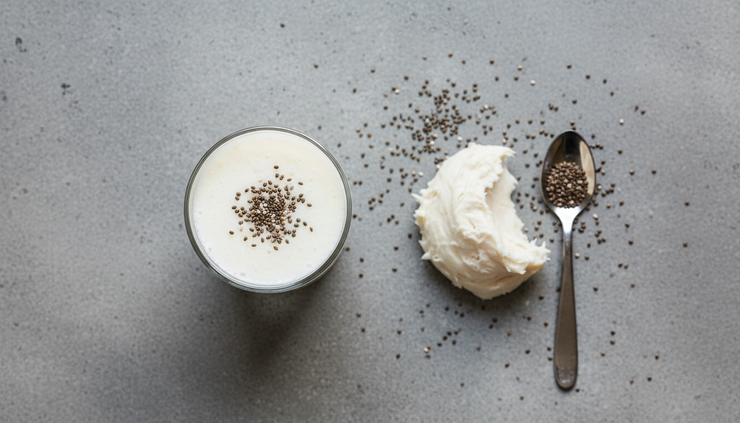
Add a small amount to a smoothie with spinach, pineapple, and chia seeds.
Pair it with protein, such as Greek yogurt or a nut-based smoothie, for a more filling snack.
Avoid high-risk preparations
Skip strong decoctions made by boiling large amounts of leaves for long periods. Avoid products made from seeds. Be careful with capsules, tinctures, powders, and extracts that promise disease treatment, detox effects, or dramatic results.
A good rule: if the claim sounds stronger than what food normally does, ask for human clinical evidence.
Watch for side effects
Stop using guanabana products and seek medical advice if unusual symptoms appear, such as tremors, stiffness, balance problems, numbness, extreme sleepiness, severe digestive upset, or dizziness.
Mild digestive changes can happen with any high-fiber fruit. Neurological symptoms are different and deserve prompt attention.
The balanced takeaway on guanabana fruit and tea
Guanabana fruit can be a delicious source of vitamin C, fiber, potassium, and plant antioxidants. It works well in smoothies, bowls, and simple homemade drinks. Soursop tea also has a long history of traditional use, and early research on the plant is interesting.
The caution is just as real. Research from the Caribbean and laboratory studies on annonacin have raised concerns about chronic exposure and neurological risk, especially with year-round use of leaf teas, seeds, or concentrated extracts.
The best way to use soursop is simple: enjoy the fruit occasionally, avoid the seeds, keep tea use moderate, and do not use it as a replacement for medical care. For anyone with neurological conditions, pregnancy, complex health issues, or prescription medications, a clinician’s guidance is the safest next step.


Comments